
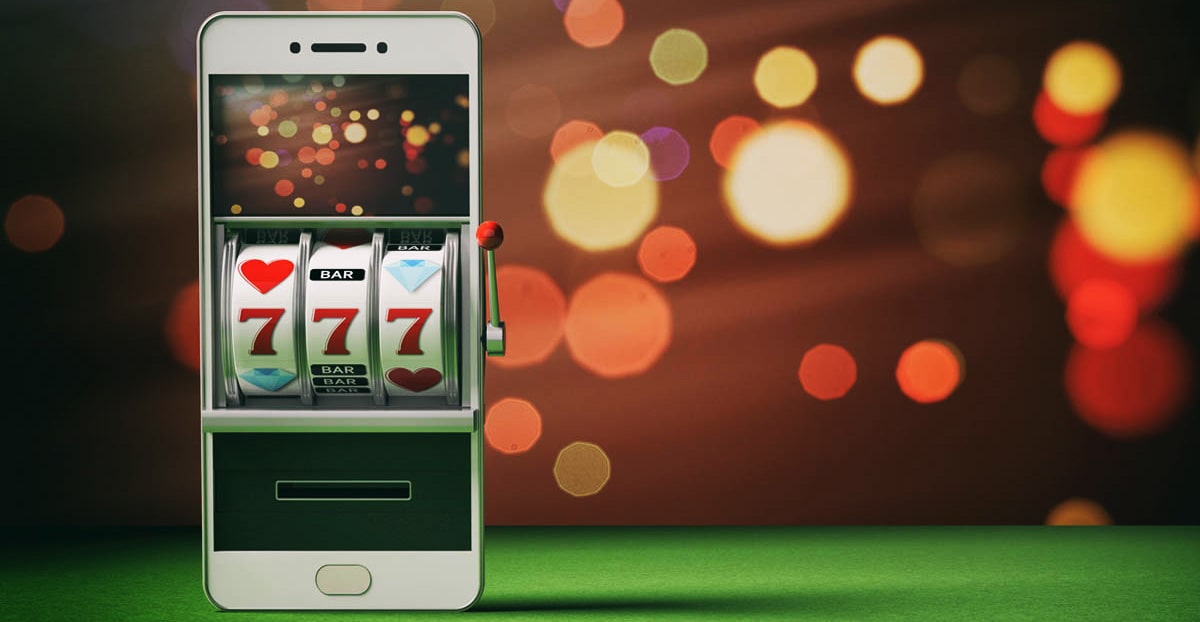
Game creation typically occurs behind a screen, tucked away in an office. But a gaming convention pushes that digital bubble into a crowd. Bringing Spaceman Game to a major UK event was an ironic and immensely practical adventure. We got to watch the world’s most passionate players encounter our cosmic creation for the first time.
The Unexpected Angle of a Physical Launch
Debuting a digital slot game made for solitary play inside the cacophony of a convention floor is a striking contradiction. Spaceman Game is centered on the quiet of space. We placed that virtual universe into a hall buzzing with thousands of people, flashing lights, and constant sound. That clash taught us more than we expected. It revealed how human contact transforms a digital interaction completely.
The convention proved a simple point: games are for people, no matter how digital they are. Seeing players gather around our demo station, their faces displaying every reaction, felt nothing like looking at online analytics. This physical launch built a real bridge between our code and the community. It offered us insights a dashboard can’t provide. Engagement, we understood, is a human thing first.
The setting also prompted us to consider the physical side of our digital product. We had to address the angle of a tablet stand and whether our graphics were visible under the harsh venue lights. Optimizing a booth for an online game felt odd, but the lesson remained. Everything around the player, even a noisy convention hall, shapes how they perceive the game and whether they appreciate it.
Booth Design and Thematic Immersion
We designed our stand to be a bubble of space inside the convention chaos. We used lighting, headphones for sound, and custom graphics to pull players from the exhibition hall into our game’s world. This swift immersion was crucial. A good stand makes a concrete promise about the digital experience ahead.
We realized that the theme had to influence everything, from what our staff wore to the promotional items we offered. Every piece needed to support the story of space exploration. This comprehensive approach helped people understand the game’s identity before they tapped the screen. It transformed a demo station into a memorable brand moment, turning our little corner a place people sought out.
The practical puzzles of stand design instructed us about clarity and scale. How do you communicate what Spaceman Game is to someone ten feet away, walking fast? How do you manage a demo that’s short but still satisfying? Solving these problems compelled us to distill our game’s best features into pure visuals and simple interactions. It was a intensive lesson in marketing.
The Practicalities of Demonstrating a Digital Game
Presenting a digital game at a live event brings its own difficulties. You require strong, fast internet, but convention Wi-Fi is often unstable. We built offline demos to keep the game running no matter what. Hardware is a further issue. Tablets and screens are touched by hundreds of people over days, so they need to be robust.
Staffing the booth needed a plan. Our team needed to understand the product inside out to respond to technical queries. They required the charisma to draw in a crowd and the stamina to remain positive through long, loud days. We set up shift rotations and specific guidelines for managing everything from simple questions to collecting detailed feedback. We sought everyone to present Spaceman Game the same way.
We also needed to handle gathering emails and feedback while complying with data protection laws, a point that’s easy to forget in the event excitement. From confirming we had enough power cables to protecting gear overnight, the practical preparation was equally important as the creative display. Managing the logistics properly meant our creative vision stayed on track.
Marketing Impact and Market Presence
A good convention presence amplifies your marketing in several ways. It generates player sign-ups, attracts attention from the press, and generates loads of content for social media. Live streams from the booth, photos with attendees, and clips of their reactions make for authentic promotion. For Spaceman Game, the event acted like a rocket booster for brand awareness, reaching a crowd of super-engaged gaming fans.
Showing up in person creates legitimacy and trust. It demonstrates your commitment and sets a human face on the development studio. This matters in a market where players care about transparency and talking to developers. The conversations that start at the booth often shift online, turning a casual player into a long-term community member who champions your game.
The visibility also brings business opportunities. Publishers, affiliate marketers, and media people walk these floors looking for the next promising title. A well-run booth serves as a beacon for them. The concentrated exposure you get in a few convention days can hasten growth that might take months of online-only work.
Convention Dynamics and Gamer Feedback
Input at a gaming convention is unfiltered and direct. You don’t get analyzed online reviews. You get faces, body language, and off-the-cuff remarks. For our team, this was a goldmine. We noticed which features made eyes go big. We recorded which sound effects got a smile. We saw which game mechanics made people halt and ask a question right away.
When a queue started to form behind a player, it created a genuine pressure test. It revealed us how quickly someone new could understand the game’s basics without any instructions. We noticed where fingers hesitated over the screen and where they pressed with certainty. That live analysis gave us a clear list of fixes for the user interface.
Talking directly to attendees added insight you can’t get from viewing. Players gave us detailed opinions on the game’s risk level, how effectively the theme aligned, and the speed of the bonus rounds. These conversations, sometimes several minutes in duration, gave context to our cold analytics. They clarified the *why* behind player likes and dislikes, which directly guided our plans for future updates.
Building relationships with Market Professionals
The conference wasn’t solely for players. It was a gathering spot for sector professionals. Engaging with platform operators, streamers, and fellow programmers offered us a more comprehensive outlook of the industry. These discussions covered technical trends, promotion tricks, and the always-shifting compliance environment. This web is a essential tool for maneuvering in a intricate sector.
We discussed possible collaborations, shared shared challenges with player retention, and checked out innovative tools. Observing rival titles up close, as a developer and not a user, was particularly valuable. It allowed us to measure Spaceman Game’s features and design, pointing out both our successes and where we could push further.
The bonds established during the convention often last longer than the event itself https://spacemanslot.uk/. They build a backing network and a conduit for sharing expertise that’s hard to copy online. The informal event atmosphere encourages open talk, which can lead to alliances and concepts that change a game’s creation trajectory and its prospects.
Important Insights for Future Events
We came away with a number of lessons for next time. Marketing before the event is essential to guarantee people can locate you. Your goal isn’t merely to allow people to play. It ought to be to craft a moment they’ll remember and want to share online, prolonging the duration of the event. Everyone on your team has to be a enthusiastic ambassador, filled with knowledge and genuine excitement.
We found out to craft our demo for a quick punch, highlighting Spaceman Game’s most exciting feature in roughly ninety seconds. We also saw the necessity for a clear next step—be it that was signing up for a newsletter, tracking a social account, or simply browsing the website. Capturing interest effectively is what converts a exciting convention minute into long-term contact.
And we understood the work isn’t over when the lights go down. You need to follow up. The connections you established, with players and other developers, need attention. The feedback you received must be categorized, reviewed, and fed into your development plans. A convention isn’t a one-off stunt. It’s a significant milestone in a game’s journey, and its actual value stems from the insights and relationships you cultivate long after the doors close.
Thinking back on that packed hall, the irony still strikes us. Our space-themed digital slot located a lively, loud home in a physical crowd. That image cemented a truth for us: even the most digital creations develop from human interaction. The energy, the immediate feedback, the mutual passion in that space were hard to replicate. It pushed Spaceman Game forward with renewed purpose and a stronger link to its players.
The trip from our code to the convention floor imparted things no report can. It confirmed the incomparable worth of face-to-face contact in an industry that’s mostly online. If other developers ask if these events are worthwhile, our answer is a definitive yes. The lessons we acquired, from the practical to the philosophical, will guide how we manage Spaceman Game and everything we build next.
We packed up with tired feet, scratchy voices, and a hard drive packed with data. But above all, we left with a better, more human sense of whom we’re building these games for. That connection is the genuine win. It goes beyond any sign-up metric or sales lead. It ensures our work grounded, focused, and aimed at making experiences that actually mean something to people.
